Keeping coolant clean isn’t just about saving money—it’s about keeping machines alive. A coolant recycling system is the backbone of any serious shop, and filtration is where the real battle happens. Micron ratings, filter media, flow rates… they all sound technical, but they decide whether your coolant lasts weeks or dies in days. Let’s break it down, raw and real, without the polished fluff.
Why Micron Ratings Matter in Coolant Recycling
Micron ratings are basically the size of particles a filter can catch. In a coolant recycling system, choosing the wrong rating is like wearing sunglasses at night—useless. Too coarse, and grit keeps circulating. Too fine, and the filter clogs every other shift. Balance is key. The right micron rating keeps coolant flowing while still pulling out the junk that wrecks pumps and tools.
The Role of Filter Media
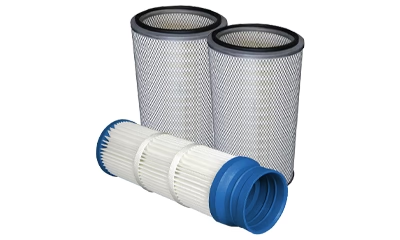
Filter media isn’t just fabric—it’s the muscle of the system. Felt, paper, synthetic, even PTFE. Each has strengths. In a coolant recycling system, felt bags are common, but synthetic media lasts longer. Pairing the right media with the right micron rating makes or breaks efficiency. A high flow filter with durable media keeps oil moving without choking, which means less downtime and cleaner coolant.
High Flow Filters vs. Standard Options
A high flow filter isn’t hype—it’s necessity in heavy-duty shops. Standard filters choke when volume spikes. High flow designs handle bigger loads, keeping coolant circulating fast enough to carry away heat and debris. In a recycling setup, that speed matters. Slow flow means sludge buildup, foul coolant, and wasted energy. High flow keeps things lean and efficient.
How Dirty Coolant Wrecks Machines
Ever smelled rancid coolant? That’s contamination at work. Dirty coolant eats seals, clogs pumps, and shortens tool life. A coolant recycling system with proper micron-rated filters prevents that mess. It’s not just about smell—it’s about protecting expensive machines. Ignore filtration, and you’ll pay for it in repairs, downtime, and lost production.

Matching Micron Ratings to Applications
Not every job needs ultra-fine filtration. Grinding operations demand tighter ratings, while milling might get by with coarser ones. A coolant recycling system should be tailored to the work. Too many shops slap in whatever filter is cheapest. Wrong move. Matching micron ratings to your process keeps coolant clean without strangling flow. That’s where a high flow filter shines—it balances volume with precision.
The Hidden Costs of Wrong Filters
Cheap filters look good on paper. But they clog faster, shed fibers, and let contaminants slip through. In a coolant recycling system, that means dirty oil, worn pumps, and higher energy bills. A high flow filter with proper media costs more upfront, but it saves thousands in maintenance. The hidden costs of wrong filters are brutal—don’t fall for the bargain bin.
Media Choices: Felt, Synthetic, and More
Felt bag filters are common, but they’re not always the best. Synthetic media lasts longer, resists chemicals, and handles higher flow. PTFE adds resistance to heat and moisture. In a coolant recycling system, media choice decides how long your filter lasts and how clean your coolant stays. Don’t just pick what’s available—pick what fits your system and workload.
Flow Rate and Energy Efficiency
Flow rate isn’t just a number—it’s the lifeline of your coolant system. A high flow filter reduces resistance, meaning pumps don’t strain as hard. That saves energy, lowers heat, and extends pump life. In a recycling setup, steady flow keeps contaminants moving out instead of settling in. Ignore flow rate, and you’ll waste energy and money.
Real-World Example of Filtration Failure
I’ve seen shops run cheap filters in their coolant recycling system. Within weeks, coolant turned cloudy, pumps overheated, and tools wore out faster. They thought they were saving money, but repairs cost ten times more than proper filters would have. Lesson learned: filtration isn’t optional—it’s survival. A high flow filter with the right micron rating could’ve prevented all of it.
Maintenance and Replacement Schedules
Even the best filters need regular replacement. Push them too long, and they clog, starving the system. In a coolant recycling system, maintenance schedules aren’t optional—they’re critical. A high flow filter lasts longer, but don’t stretch it past its limit. Replace on time, keep coolant clean, and avoid costly breakdowns. Skipping filter changes is like skipping oil changes in a car—you’ll regret it.
Conclusion: Micron Ratings and Media Decide Everything
At the end of the day, a coolant recycling system lives or dies by its filters. Micron ratings decide what gets caught, media decides how long it lasts, and flow rate decides efficiency. A high flow filter with the right media is the smart choice for serious shops. Don’t cheap out—filters are small, but they decide whether your machines thrive or fail.
FAQs
1. What’s the ideal micron rating for coolant recycling? Depends on the process. Grinding needs finer ratings, milling can use coarser ones.
2. Are high flow filters worth the cost? Yes. They handle larger volumes, reduce pump strain, and keep coolant cleaner longer.
3. Which filter media works best in coolant systems? Synthetic and PTFE media last longer and resist chemicals better than felt.
4. How often should filters be replaced? Follow system load. Heavy-duty shops may need replacements every few weeks, lighter operations can stretch longer.












Write a comment ...